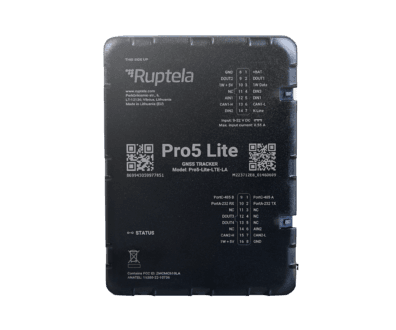
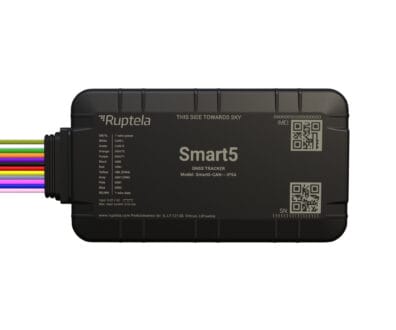
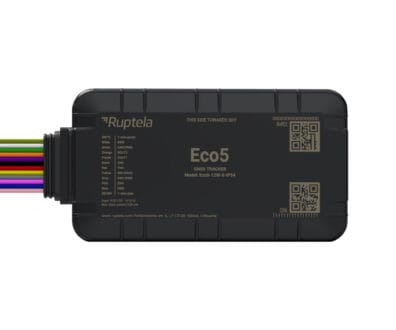
GPS Tracking System for Logistics & Supply Chain
Rising fuel costs and siphoning
High fuel consumption and unauthorized fuel drainage significantly increase operational expenses.Compliance with tachograph regulations
Difficulty in managing driver work-and-rest hours leads to heavy fines and legal risks.Lack of route visibility and delays
Inefficient routing and unexpected delays impact delivery schedules and customer satisfaction.Cold chain integrity risks
Maintaining a constant temperature for food or pharma is difficult without real-time monitoring, leading to cargo loss.Cargo theft and driver security
Freight remains vulnerable to theft during long-haul trips and stops in unsecured areas.Overloading and weight fines
Exceeding weight limits without proper monitoring results in vehicle wear and costly penalties.
Key features
Real-Time Cargo Visibility
Track shipments in real time to provide accurate ETAs and ensure on-time deliveries for your customers.
Remote Tachograph Downloads
Ensure full compliance with EU regulations through automated remote data downloads and driver-hours tracking.
Fuel Management & Control
Prevent fuel theft and monitor consumption accurately to reduce overall transportation costs.
Advanced Eco-Driving
Evaluate driving behavior to reduce fuel waste, lower CO2 emissions, and improve fleet safety.
Axle Load & Weight Monitoring
Monitor axle load and vehicle weight in real time to avoid overloading fines and reduce vehicle wear.
Cold Chain Temperature Monitoring
Protect food and pharmaceutical shipments by monitoring temperature and humidity with wireless sensors, and read Thermo King refrigeration data on supported devices.
Trailer & Asset Tracking
Track trailers and high-value assets even when they are disconnected from the truck, using battery-powered trackers with up to 3 years of autonomy.
The importance of GPS tracking for logistics and supply chain
Modern logistics runs on precision and timing. Long-haul routes cross borders, time zones, and changing road conditions, and every delay affects the next link in the supply chain. Without clear data, dispatchers face blind spots between pickup and delivery. A GPS tracking system for logistics closes these gaps by providing end-to-end visibility into vehicles, trailers, and cargo. Logistics tracking devices report location, driving data, and cargo conditions such as temperature, so you can react early and keep every shipment on schedule and intact.

Real-time visibility with a transportation tracking system
Live location data has become a standard requirement for competitive logistics providers. A transportation tracking system shows dispatchers where every vehicle is, how fast it is moving, and how long it has been stopped. With this information, they can share accurate ETAs with customers and receivers, react quickly to traffic, weather, or loading delays, and adjust routes before small problems become missed deliveries. When you can track a transport vehicle in real time, customer calls become shorter, planning becomes more precise, and the whole team, from dispatch to the warehouse, works from the same up-to-date picture.
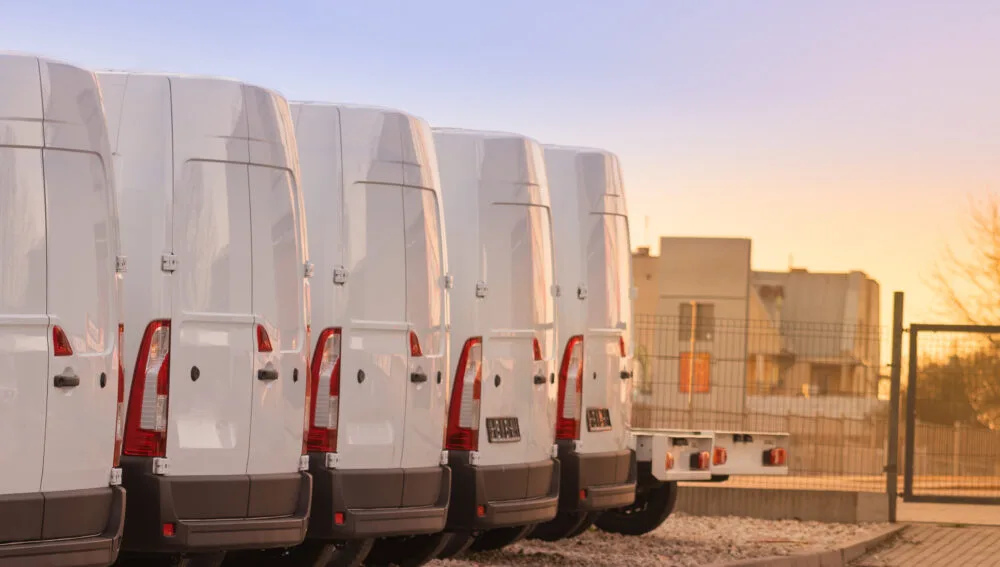
Professional commercial fleet management system
Heavy-duty logistics has needs that go beyond location. GPS tracking for logistics with Ruptela devices supports remote tachograph file downloads, helping fleets meet EU requirements for driver hours and data storage without bringing vehicles back to the depot. Fuel level sensors and fuel filler security detect sudden drops and siphoning attempts, while axle load sensors help prevent overloading before a truck leaves the loading bay. Together, these tools protect the business from fines, reduce fuel losses and vehicle wear, and make the fleet more cost-effective and sustainable over the long term.

Advanced tracking software for transportation fleets
The data from each logistics GPS tracker becomes truly useful once it reaches a central platform. You can view location, fuel, driver, and cargo data in a fleet management platform such as TrustTrack, or in the system your service provider chooses. Geofencing alerts show when vehicles enter or leave depots, customer sites or restricted areas. Remote tachograph downloads can run on schedule, and historical route data makes it easy to review past trips, resolve customer disputes, and spot recurring delays. This helps logistics managers automate routine work and focus on planning and customer service.

Frequently asked questions
What is GPS tracking in logistics?
It uses GNSS tracking devices installed in trucks, trailers, and other assets to send location and vehicle data to a fleet management platform. This gives logistics companies real-time visibility of their fleet and cargo.
How secure is the data in a GPS tracking system?
All Ruptela devices use TLS 1.2 encryption to protect data sent over mobile networks, and many models also detect jamming and tampering attempts. How data is stored and who can access it depends on the platform used.
Can I integrate your GPS tracker with my existing transport management software (TMS)?
Yes. Ruptela devices send data to the platform chosen by your service provider, where it can be integrated with transport management software. The exact setup depends on the TMS you use.