Trailer tracking
Key values
A dependable GPS tracking system for trailers enhances oversight, cuts risks and keeps every trailer productive:
Full fleet visibility
Monitor powered and unpowered trailers within one ecosystem for complete operational control.
EBS data integration
Access braking, stability, and performance data from major manufacturers for safer trailer management.
Flexible setup
Choose powered or autonomous tracking to match different trailer types and workflows.
Remote configuration (FOTA & BLE)
Update and adjust devices wirelessly to avoid unnecessary downtime.
Tamper & motion alerts
Receive instant notifications about unexpected movement or interference to protect assets.
How GPS trailer tracking works
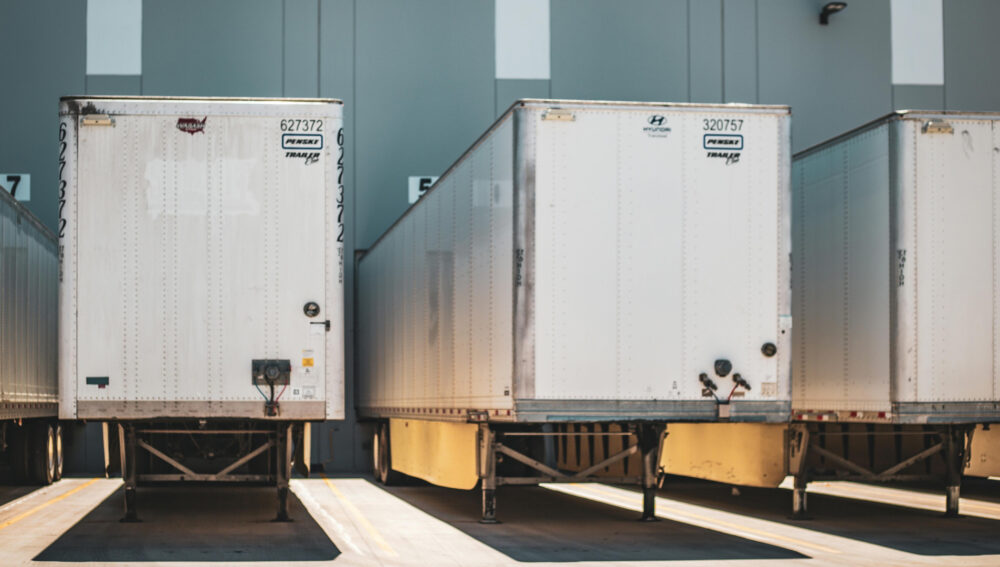
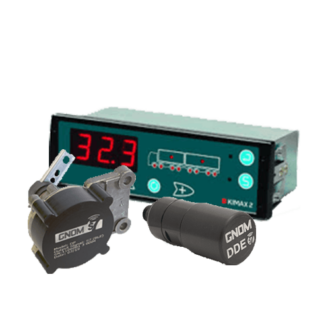
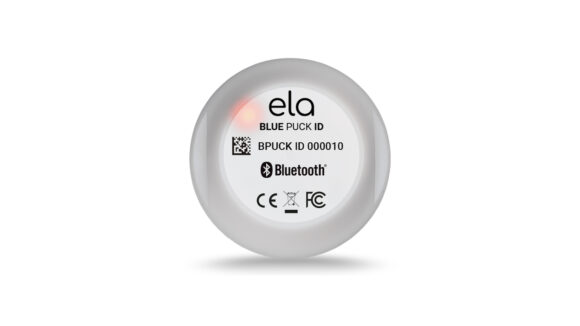
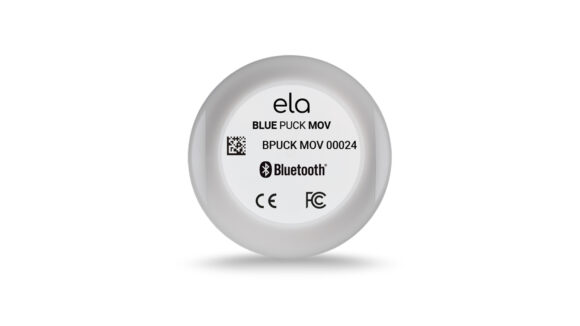
Ruptela’s trailer tracking uses GPS devices installed on trailers to capture location, motion status, towing events, and sensor inputs. The device sends this data through mobile networks to your chosen fleet platform, where it is displayed for real-time visibility. Users can monitor movements, detect uncoupling or unexpected motion, and use the platform as a reliable trailer GPS locator with instant security alerts. Additional sensors, such as EBS data, BLE beacons for trailer ID, temperature probes, or TPMS, make trailer tracking more accurate, secure, and reliable for daily operations.
What our GPS trailer tracking system offers
Ruptela’s trailer tracking system provides precise location data, detailed movement history, and clear visibility into trailer utilisation and idle time. Hardware inputs enable detection of coupling and uncoupling, towing events, and external power status, helping plan maintenance and avoid downtime. Security is strengthened through motion and tamper alerts, EBS fault signals, and geofence-based notifications. The data is easily processed by any fleet management platform, reducing operating costs, improving usage transparency, and protecting high-value trailers across the fleet.

Tracker devices and compatibility
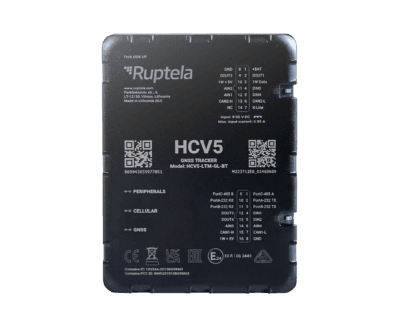
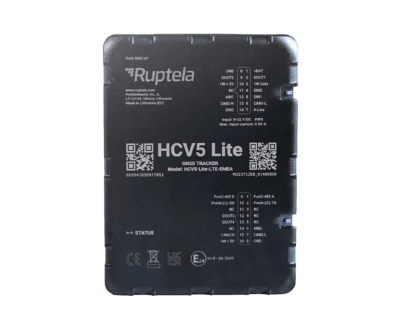
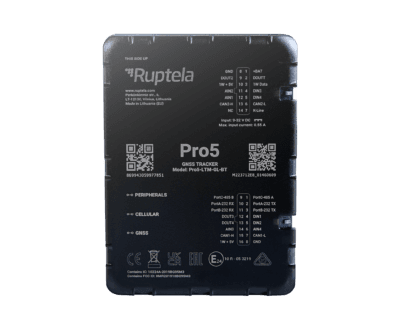
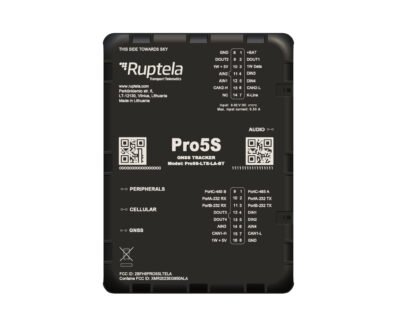
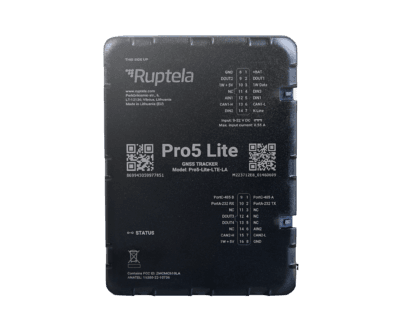
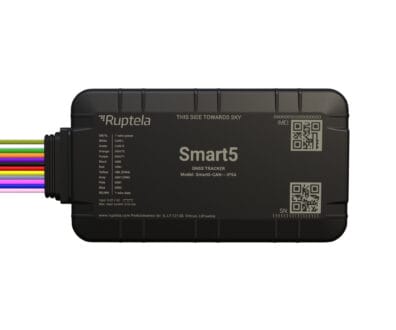
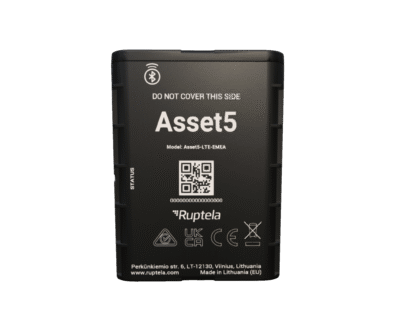
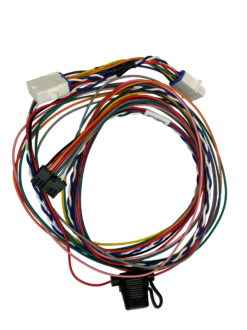
Each trailer GPS tracking unit is available in two options: wired units for continuous power and battery-powered models for long autonomous operation. Devices use durable IP68-rated housings to withstand water, dust, and harsh outdoor conditions. Multiple mounting methods support fast, secure installation. The GPS trailer tracking system works across all trailer types – reefers, tankers, flatbeds, curtain-siders, and is compatible with any fleet management platform, making it ideal for mixed fleets requiring reliable data and flexible integration.

GPS tracking device for trailers

Frequently asked questions
Trailer tracking uses a GPS device installed on the trailer to record its location, movement status, towing events, and sensor data. The device sends this information to a fleet platform via mobile networks for real-time monitoring.
Transport companies, logistics operators, rental fleets, and asset-heavy businesses use trailer tracking to increase equipment visibility, reduce losses, and maintain control over unpowered or remote assets.
It improves asset security, prevents misuse through motion and tamper alerts, verifies trailer utilisation, detects coupling/uncoupling, and supports maintenance planning through EBS and sensor data.
To track a trailer, the GPS device collects mileage, movement history, idle time, towing events, external power changes, and EBS data. Fleet platforms visualise these parameters for analysis.
It is typically mounted on the chassis or a protected exterior area where it maintains clear sky visibility for GPS and remains shielded from impact or mechanical damage.
They detect unauthorized motion, tampering, towing, or uncoupling, and send instant alerts. Real-time GPS location accelerates recovery and provides verifiable evidence of events.