Asset5 for Vehicle Leasing: Reliable Tracking for Diverse Fleet Needs
In the vehicle leasing industry, visibility is non-negotiable, but constant maintenance is non-viable. Telematics service providers need hardware that simply works: pings on schedule, conserves power, and stays operational without manual intervention.
For a GPS telematics integrator in Ukraine, the Ruptela Asset5 meets these operational demands across diverse leasing fleet setups. The device serves as the primary tracker on leased vehicles while functioning as an additional backup unit for major accounts with existing hardware. This dual-purpose capability gives the integrator the flexibility to address distinct monitoring requirements using a single autonomous tracking solution.
The challenge
The integrator required a more dependable tracking solution for its leasing clients after experiencing recurring reliability and battery performance failures with previously installed hardware.
Battery levels in the competitor’s devices routinely dropped to approximately 30% within six months of deployment. Additionally, units configured for a single daily update would randomly shift into continuous motion-triggered reporting without configuration changes.
For leasing workflows that rely on quiet, periodic location updates, these hardware glitches forced teams into endless troubleshooting loops. The integrator needed equipment that would deliver stable visibility without demanding constant administrative intervention.
Why Asset5 fits the use case
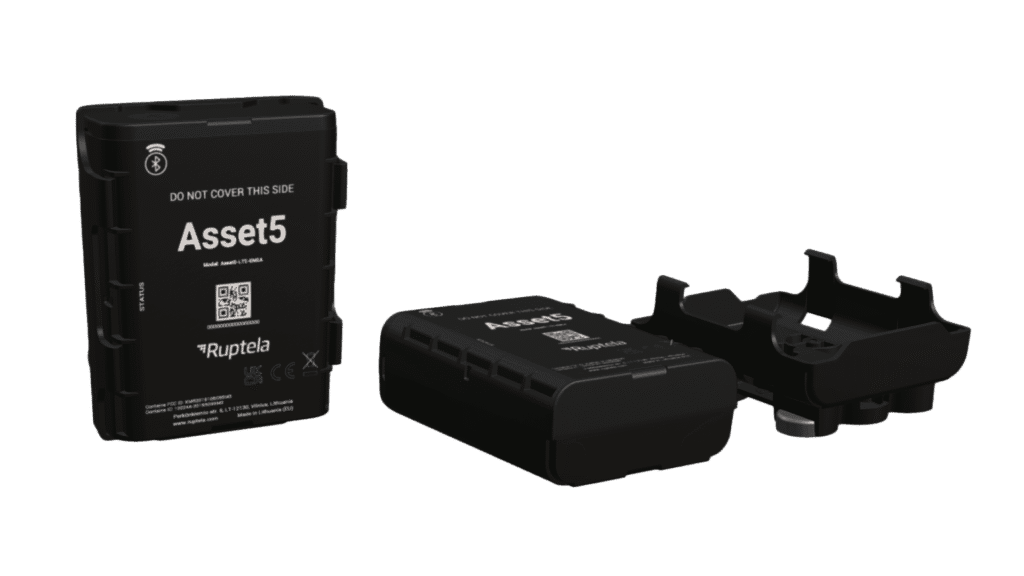
Asset5 is an autonomous tracker that operates independently of the vehicle’s main power supply, a critical feature for leasing applications where low maintenance and standalone performance are essential.
Configured to send one location update per day, the device delivers the visibility leasing managers need while maximizing energy efficiency.
Given past experiences with competitor hardware, battery stability was a top priority. Deployed Asset5 units have maintained consistent power levels, with zero battery degradation reported across all active vehicles.
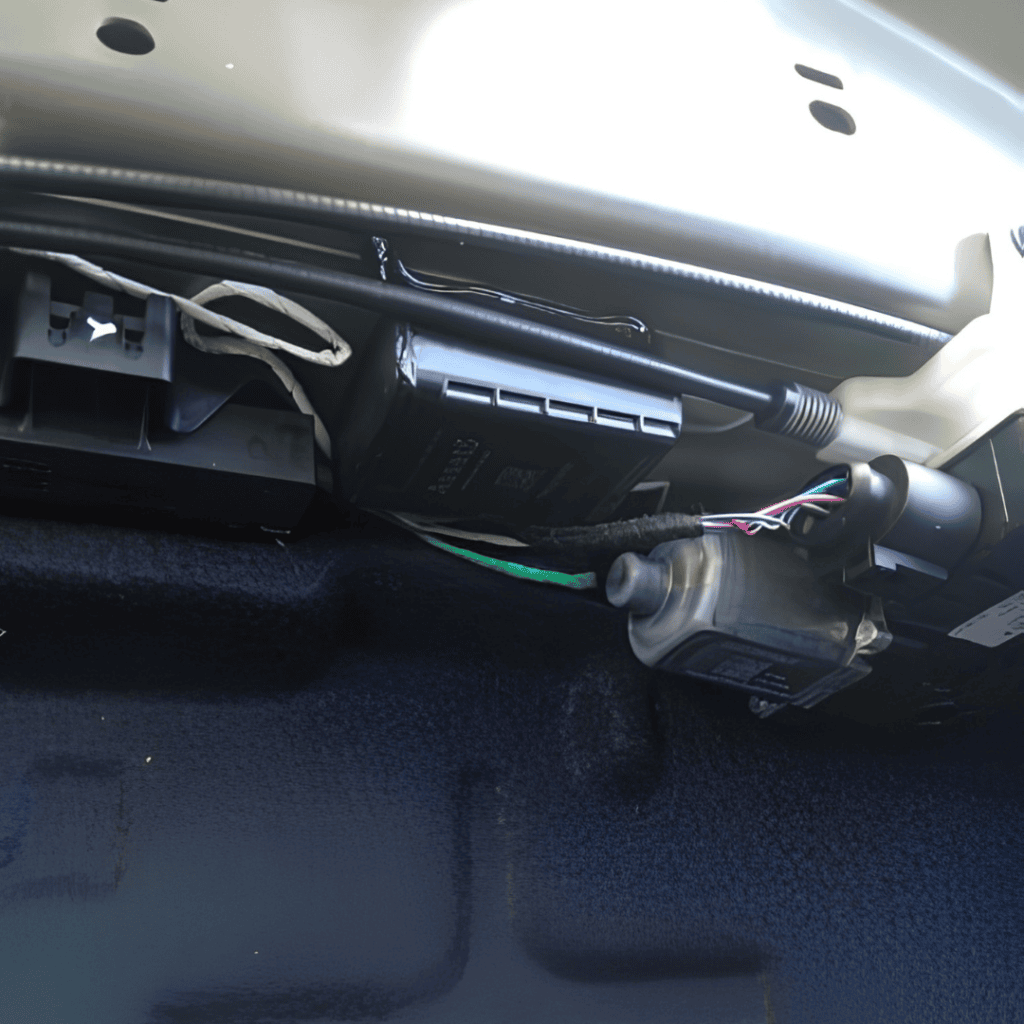
The optional magnetic holder also simplifies installation and stock management. Instead of purchasing separate trackers with and without built-in magnets, the integrator can use Asset5 across different installation needs and add a holder where required.


How Asset5 is used
Asset5 is deployed in two ways across the integrator’s leasing clients:
- Primary tracker. Serves as the main source of location data on newly onboarded leasing vehicles.
- Secondary backup tracker. Functions alongside legacy devices on key enterprise accounts, acting as a backup tracker while older hardware is phased out.
In both roles, the device maintains a standardized 1-ping-per-day configuration. This uniform setup enables the integrator to simplify fleet monitoring across all account profiles without added operational complexity.
The results
The transition to Asset5 brought immediate, positive feedback from leasing clients who had spent months dealing with legacy hardware failures.
We are currently replacing previously installed trackers for major leasing clients, switching from the previous brand to Ruptela. The feedback has been fantastic. Clients were really struggling with the previous brand and they genuinely praise Ruptela.
The impact extends far beyond individual device performance. In a market shaped heavily by low-cost options and legacy vendor ties, the integrator turned hardware quality into its primary competitive advantage.
Ruptela has become part of this strategy. By prioritizing reliable hardware and refusing to compromise equipment quality, the integrator aims to strengthen customer confidence and its position in the leasing market.
What Asset5 brings to vehicle leasing
This deployment shows how Asset5 adapts to varying needs in the vehicle leasing environment, delivering day-to-day vehicle visibility as a primary tracker or complementing existing hardware as an extra backup device.
For leasing applications where high-frequency reporting is unnecessary, this combination of autonomous operation, flexible deployment, and low-frequency tracking offers a straightforward way to maintain total asset visibility with minimal technical intervention.