Accident Detection & Alerts
Key values
Our Accident Detection & Alerts solution uses a high-quality built-in accelerometer inside Ruptela’s GPS trackers to deliver fast and reliable monitoring across different types of operations:
Accurate impact detection
A multi-axis accelerometer tracks acceleration in all directions and logs events when thresholds are exceeded, ensuring precise identification of collisions or strong impacts.
Rollover detection
Instantly identifies hazardous vehicle rollover situations, providing critical safety alerts in high-risk environments.
Towing detection
Detects when a stationary vehicle is being moved without ignition and immediately sends a notification to the server. This helps drivers and fleet managers react quickly to unauthorized towing and prevent vehicle loss or additional damage.
Driver behavior insights
Detects harsh events such as curb hits or strong vibrations to help improve driver safety and performance.
Instant alerts
Sends immediate notifications via GPRS or SMS the moment an accident or rollover occurs.
Easy installation
Compact, plug-and-play hardware reduces downtime and speeds up deployment.
FOTA & remote configuration
Devices can be updated or adjusted remotely to maintain optimal performance.
Why accident detection matters
Understanding what occurs to a car at the precise moment of collision requires accurate real-time accident detection. Ruptela’s GPS tracker continuously measures acceleration patterns and identifies abnormal force changes that may indicate a collision or rollover. Operators can respond more quickly, arrange for help, and remotely check the condition of the vehicle thanks to instant notifications. This guarantees that every occurrence is backed up by accurate technical data for further analysis, minimizes operational disturbance, and enhances incident response.
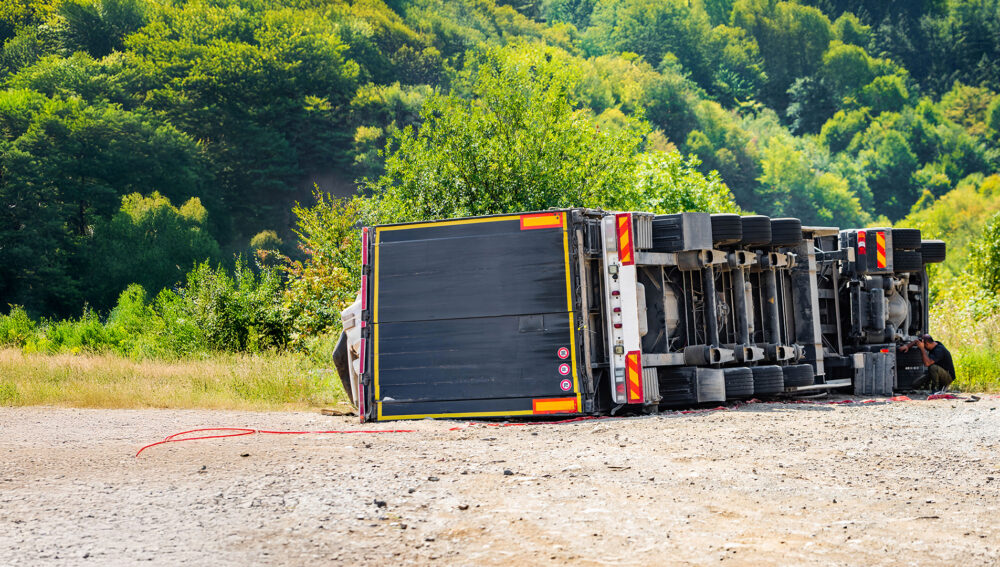
How our accident detection & alerts work
Ruptela’s accident detection system relies on the GPS tracking device’s built-in accelerometer, which constantly measures acceleration across multiple axes to identify unusual movement patterns. When predefined thresholds for impact detection or tilt are exceeded, the device automatically:
- Confirms the anomaly.
- Timestamps the event.
- Links it to the affected vehicle.
- Sends a structured event record, including force values and coordinates, directly to the fleet platform over the mobile network.
No driver input is required, and no manual reporting is involved. Everything is handled by the hardware in real time.

Business benefits of real-time accident alerts
Businesses are able to make judgments and provide assistance for the impacted vehicle more quickly when real-time accident detection and alerts are in place. Ruptela’s GPS trackers deliver reliable event data that helps evaluate impact severity, plan assistance, and limit downtime. By preventing frequent accidents, precise alerts also help to detect risk patterns, improve driver safety programs, and save operational costs. In addition to improving fleet safety management generally, this automated approach ensures reliable, consistent response protocols.

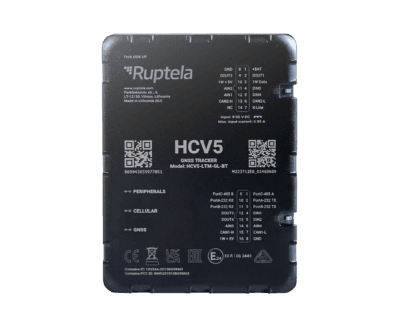
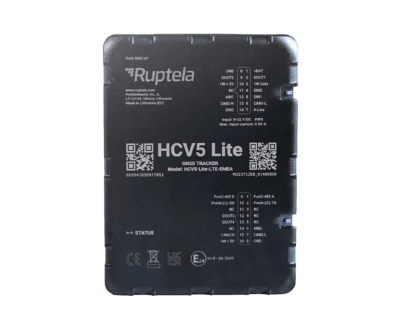
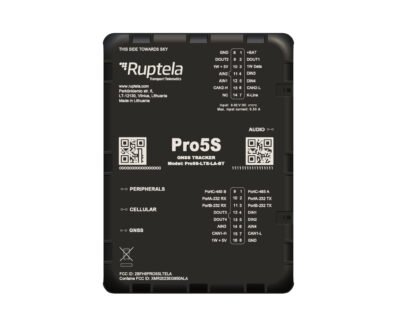
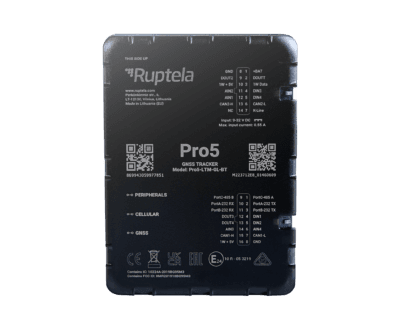
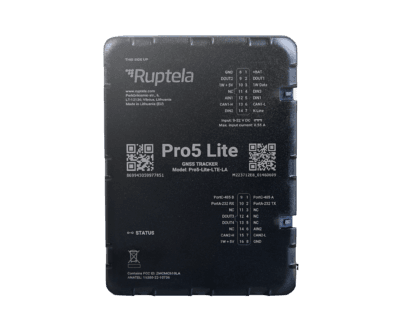
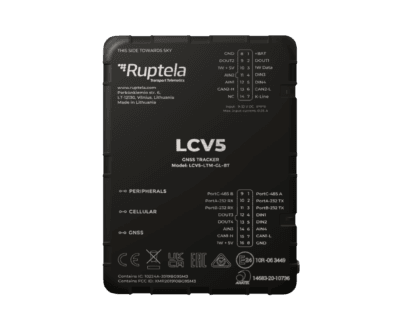
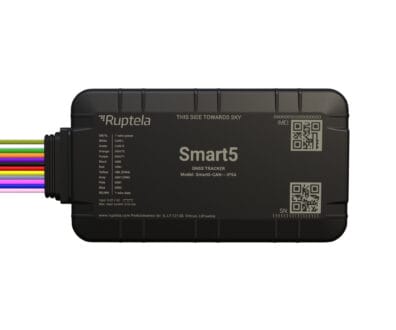
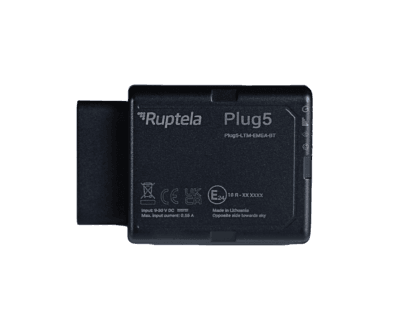
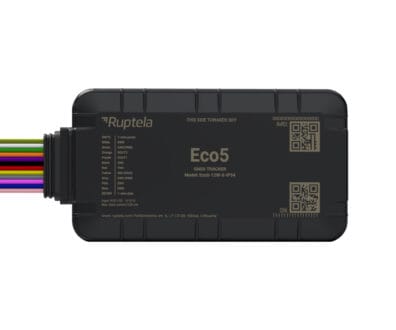
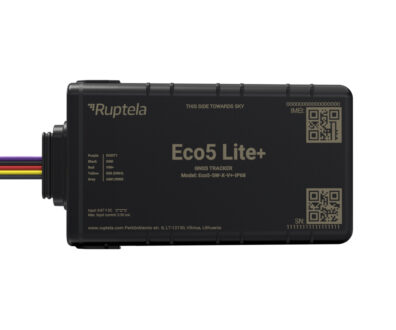
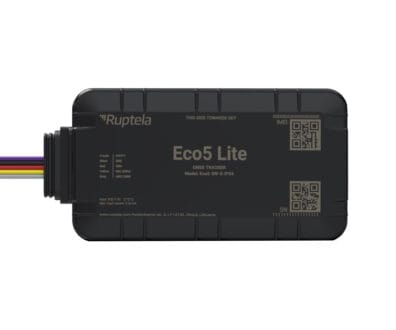
GPS trackers with accident detection
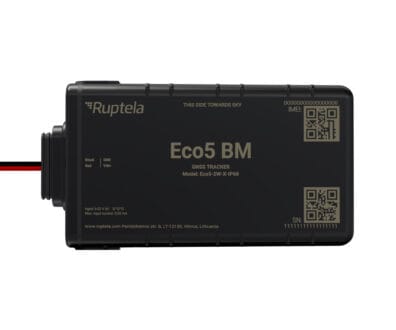
Frequently asked questions about accident detection
Alerts are generated and transmitted instantly after a critical event is detected by the device.
The device stores the event data locally and sends it automatically once the network connection is restored.
Data is saved on the device and securely transferred to the fleet management platform for long-term storage.
All data collected by Ruptela GPS trackers is transmitted using TLS v1.2 end-to-end encryption, and then delivered securely to the fleet management platform server you choose.
Yes, the event records, timestamps, and sensor data can support insurance claims and regulatory documentation.
Yes, each device operates independently and will generate separate alerts for each vehicle involved.
Yes, historical data can be reviewed to identify recurring issues, assess risk levels, and improve driver safety programs.